Posts

The Muddle Huddle

Image
A Life Behind the Fence, My Journey Toward Self-Acceptance AI-generated image of how I felt growing up What happens when the loudest voices in your life are the ones inside your own head?  The Muddle Huddle is a distilled memoir of inner conflict, dogged questioning, and the long road to self-acceptance. Through the lens of Internal Family Systems (IFS) and storytelling, I revisit the voices that shaped, and often silenced, my journey as a trans woman. But this isn’t just a trans story. It’s a shared human one, about what it means to make peace with yourself, one truth at a time. This piece was inspired by a poem I wrote for a 2017 NYT feature on Trans Lives; I adapted it for the Prologue below.
The Scandal of Inclusion (Revisited): From Purity Codes to Divine Embrace

Image
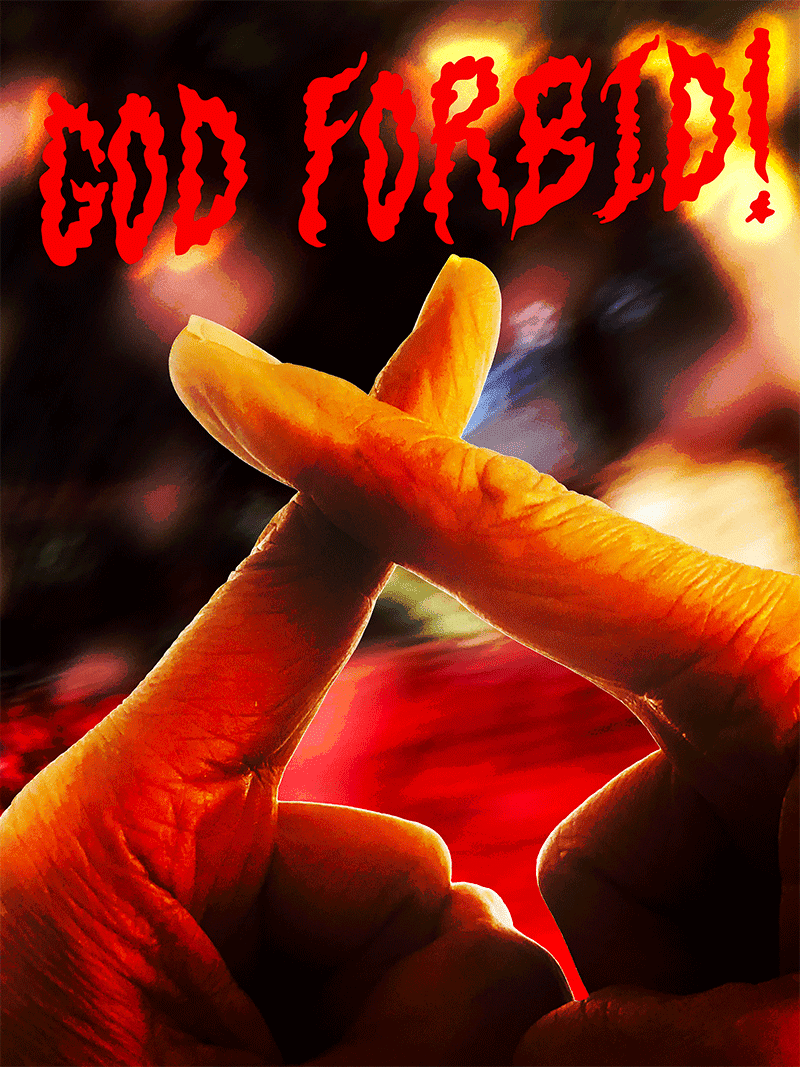
Originally preached in 2017; revised in light of new insights from Terror Management Theory. When fingers cross and we say “God forbid,” what are we really protecting — God’s realm or our own sense of control? Two words that have policed countless bodies and identities under the guise of holiness. But what if the real scandal isn’t our embodiment, but grace itself?

You’re Right to Ask Questions About Gender-Affirming Hormones for Trans Youth and Adults

Image
Recently, a high school classmate of mine posted a meme on Facebook that he must have thought was clever. It read:  “Liberalism is when you think injecting cattle with hormones is evil... but injecting kids with hormones to change their gender is just fine.”  He meant it as a joke, but I felt more sadness than outrage. Not because I expect everyone to understand the complexities of gender-affirming care, but because this kind of mockery reduces a deeply personal, often life-saving medical decision to a punchline. That meme prompted me to revisit an essay on Medium.com, titled "HRT Rewires the Brain: The Neuroscience of Transition." It was written by Kira Ry, a trans woman, psychologist, and parent of two children. I’ve revised and expanded it here, blending in my own reflections and lived experience, not to argue with my classmate, but to offer a compassionate, informed, and honest picture of what hormone therapy actually means for trans people, children, youth, and ...

As a Trans Woman, I’m Not Just Aging — I’m Growing Weary.

Image
  Content Note:   This reflection includes mention of past sexual violence and gender-based trauma, and death by suicide. Please take care while reading. Living Openly, Growing Weary I live openly as a trans woman. I have for nearly two decades. I am not hiding. I do not lie about who I am. And I am not ashamed. I live in Canada, but grew up in San Jose, CA. And while I am grateful for the life I’ve built, I would be lying if I said I’m not growing weary. A Gathering Storm It’s not any one thing that weighs on me — it’s the convergence of so many. The political climate. The chilling laws being passed across borders. The ease with which people talk about us as if we are problems to be solved, threats to be managed, or ideologies to be banned. All of which has led to a rising sense of vigilance — a low-grade hum of alertness I’ve carried for years, now amplified by headlines and policies that feel like erasure by design. “Who gets to decide who matters?” Even seemingly unrelated...

Why Trans People Are So Threatening

Image
A Reflection on Fear, Control, Transphobia and the Illusion of Certainty The recent surge in anti-trans rhetoric has left many asking, “Why so much now?” For me, the answer keeps circling back to something deeply human: our need for certainty in the face of fear. Especially fear of death, of change, of losing identity. In my studies as a Spiritual Health Practitioner, I’ve come across a psychological framework that helped everything click:  Terror Management Theory  (TMT), [1]—the idea that much of our behaviour is driven by our need to fend off the reality of our mortality. Terror Management Theory and Transphobia TMT was inspired by the work of cultural anthropologist and philosopher  Ernest Becker , whose Pulitzer Prize–winning book  The Denial of Death  argued that much of human behaviour is driven by our fear of mortality. Becker suggested that we construct cultural worldviews—religious doctrines, national identities, moral codes, to give life meaning and t...

Contact form

Name

Email *

Message *